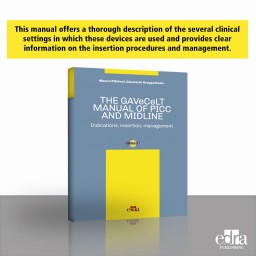
The GAVeCeLT manual of...
The use of intravenous access devices is fundamental for all patients needing frequent blood sample collection, artificial nutrition, chemotherapy, antibiotic therapy, and any other intravenous treatment.
Active filters
The use of intravenous access devices is fundamental for all patients needing frequent blood sample collection, artificial nutrition, chemotherapy, antibiotic therapy, and any other intravenous treatment.
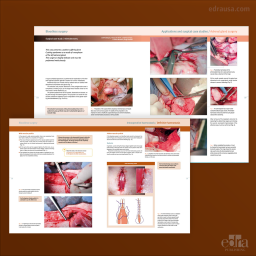
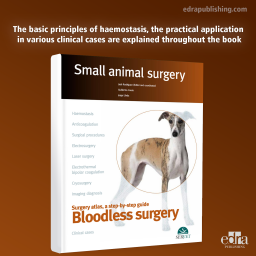
José Rodríguez, together with Guillermo Couto and Jorge Llinás, surprises us again with a new volume of the Small Animal Surgery collection, although this time he focuses on the application of bloodless surgery. The author and his colleagues use their wide experience to show readers the importance of ensuring appropriate haemostasis in surgical procedures.
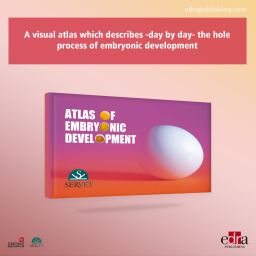
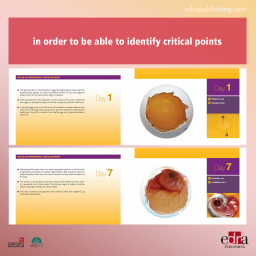
A visual atlas which describes –day by day– the hole process of embryonic development in order to be able to identify critical points in this process so a final and correct diagnosis can be established.
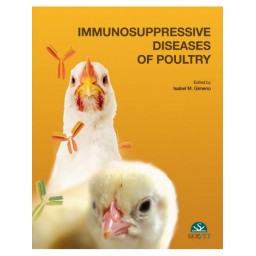
The goal of this work is to present the reader with the most common diseases that can produce immunosuppression in poultry, provide guidance for the diagnosis of immunosuppressive diseases, and examine the challenges that a diagnostician may face in confirming a diagnosis of immunosuppression. The book will feature an extensive collection of color photographs depicting gross and microscopic images.
This book provides a comprehensive review of in ovo techniques and treatments in poultry eggs, which are aimed at improving embryonic development and decreasing economic losses in poultry farms. The book is divided into four chapters, which address the basics of in ovo techniques and sites of in ovo injection, nutrient utilization for the development of the chick embryo, the role of early in ovo feeding for the chick embryo, and applications of in ovo technology for various nutrients and biological supplements in poultry.