

This book provides a comprehensive review of in ovo techniques and treatments in poultry eggs, which are aimed at improving embryonic development and decreasing economic losses in poultry farms. The book is divided into four chapters, which address the basics of in ovo techniques and sites of in ovo injection, nutrient utilization for the development of the chick embryo, the role of early in ovo feeding for the chick embryo, and applications of in ovo technology for various nutrients and biological supplements in poultry.
In Ovo Techniques and Treatments in Poultry Eggs
This book provides a comprehensive review of in ovo techniques and treatments in poultry eggs, which are aimed at improving embryonic development and decreasing economic losses in poultry farms. The book is divided into four chapters, which address the basics of in ovo techniques and sites of in ovo injection, nutrient utilisation for the development of the chick embryo, the role of early in ovo feeding for the chick embryo, and applications of in ovo technology for various nutrients and biological supplements in poultry. Thanks to the authors’ broad experience in the fields of research and education, this work contains up-to-date, scientifically validated information on in ovo techniques. Its structured format and clear, didactic style are aimed at facilitating the reader’s understanding. Altogether, this is a must-have for nutritionists, poultry breeders and farmers, veterinary professionals, clinicians and researchers who work in the poultry sector.
Authors
MAHMOUD ALAGAWANY
Assistant professor of poultry nutrition and physiology at Zagazig University (Egypt).
MAYADA RAGAB FARAG
Assistant professor of forensic medicine and toxicology at Zagazig University (Egypt).
KEY FEATURES:
➜ Comprehensive review about in ovo techniques and treatments
➜ Must-have for nutritionists, poultry breeders and farmers, veterinary professionals, clinicians, researchers who work in the poultry sector.
➜ User-friendly format
Table of contents:
1. In ovo techniques: basics, procedures and consequences for the poultry embryo
Basics of in ovo techniques
Procedure and sites for in ovo injection
Injection time
Volume of injected substance
Egg weight
Depth of the injection
Consequences of early in ovo feeding for the embryo
Conclusion
2. Applications of in ovo technology: nutrients and biological supplements
Substances administered by in ovo injection
Carbohydrates
Immunostimulants
Nanoparticles
Probiotics, prebiotics and synbiotics
Omega-3 and omega-6 fatty acids
Conclusion
3. In ovo feeding of amino acids in poultry
Effect of in ovo injection of amino acids
Productive and reproductive indices
Intestinal morphology and development
Heat shock proteins (HSP)
Immunity
Lipid profile and metabolism
Amino acid metabolism
Conclusion
4. In ovo feeding of vitamins in poultry
Beneficial effects
Vitamin C
Riboflavin (vitamin B2)
Pyridoxine (vitamin B6)
Vitamin B12
Vitamin E
Vitamin D
Folic acid
Conclusion
5. In ovo administration of vaccines and drugs
Beneficial impacts of in ovo vaccination in poultry
In ovo vaccination against virus diseases
In ovo vaccination against coccidiosis
In ovo vaccination against bacterial infections
Factors affecting the in ovo vaccination process
Sites of in ovo vaccination
Volume of vaccine
Time of vaccination
Mechanism of immunisation
Conclusion
Data sheet
Specific References
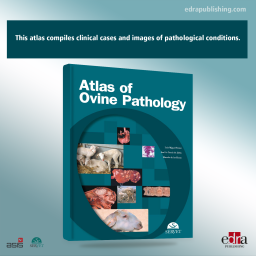
This atlas compiles clinical cases and images of pathological conditions. It will be very helpful for any vet needing to recognise macroscopical and microscopical lesions in sheep.
Technical work mainly focused on the management of pig farms working with hyperprolific genetics, which almost completely monopolize the market in this species in both productive and reproductive terms. The author, a renowned experienced specialist in swine genetics, provides key information to facilitate the management of these lines by veterinary professionals.
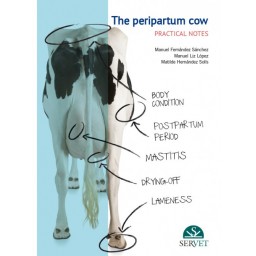
The cow’s peripartum period from a practical and dynamic point of view, explained through theoretical explanations and a huge collection of clinical cases. Normally, disorders or conditions occurring in the peripartum period are not independent events; they are the result of the interaction of several events occurring over time. The authors highlight here the importance of assessing bovine pathologies as a whole. It is the only manner for the clinician to anticipate conditions that may appear during the peripartum period.
This guide on Lawsonia intracellularis infections in swine describes the epidemiology of the disease and how to achieve good control mechanisms and minimize risks in order to optimize performance and prevent associated losses. Fully illustrated throughout with color images, it makes a useful resource for veterinary and animal science students as well as farm managers and veterinary practitioners.
This handbook complements the former book by the same author, Swine disorders guide, published by Servet in 2014. This new guide is focused on the diagnosis of swine disorders, including clinical examination and clinical signs, and includes a deep review of the main disorders according to their clinical signs.
This book provides a comprehensive review of in ovo techniques and treatments in poultry eggs, which are aimed at improving embryonic development and decreasing economic losses in poultry farms. The book is divided into four chapters, which address the basics of in ovo techniques and sites of in ovo injection, nutrient utilization for the development of the chick embryo, the role of early in ovo feeding for the chick embryo, and applications of in ovo technology for various nutrients and biological supplements in poultry.