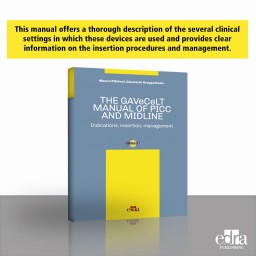
The GAVeCeLT manual of...
The use of intravenous access devices is fundamental for all patients needing frequent blood sample collection, artificial nutrition, chemotherapy, antibiotic therapy, and any other intravenous treatment.
Active filters
The use of intravenous access devices is fundamental for all patients needing frequent blood sample collection, artificial nutrition, chemotherapy, antibiotic therapy, and any other intravenous treatment.
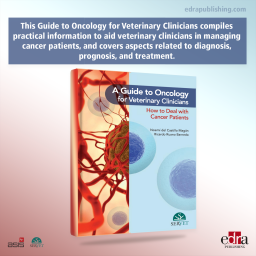
This guide compiles practical information to aid veterinary clinicians in managing cancer patients, and covers aspects related to diagnosis, prognosis, and treatment, as well as pain management and communication with owners. It has been developed by leading specialists in oncology who approach the subject from a practical perspective, and includes many images, tables, and diagrams that facilitate understanding of its content and make it an essential volume on the bookshelves of any veterinary clinic.
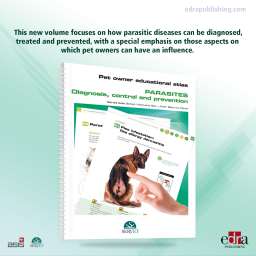
This new atlas focuses on how parasitic diseases can be diagnosed, treated, and prevented, with a special emphasis on those aspects on which pet owners can have an influence. It includes a classification of parasitic diseases according to the organ systems they affect, parasites in exotic animals, and a description of the most important zoonoses transmitted by dogs and cats.
This new volume of the collection Pet Owner Educational Atlas aims to help pet owners gain a better understanding of parasites, always through their veterinary surgeon's explanations and recommendations. It continues with the goal established in the first work: helping veterinarians in their communication with the pet owners when it comes to explaining how a parasitic disease is affecting their pets.

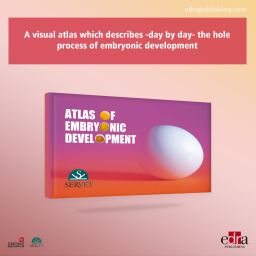
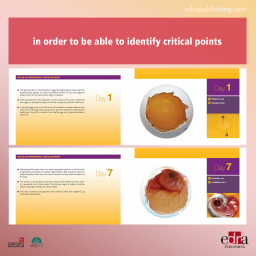
A visual atlas which describes –day by day– the hole process of embryonic development in order to be able to identify critical points in this process so a final and correct diagnosis can be established.
This book provides a comprehensive review of in ovo techniques and treatments in poultry eggs, which are aimed at improving embryonic development and decreasing economic losses in poultry farms. The book is divided into four chapters, which address the basics of in ovo techniques and sites of in ovo injection, nutrient utilization for the development of the chick embryo, the role of early in ovo feeding for the chick embryo, and applications of in ovo technology for various nutrients and biological supplements in poultry.