

This practical guide provides updated information about the infectious diseases that most commonly affect dogs, diagnostic approaches, treatments, vaccinations programmes and recommendations, etc., all described from a highly practical point of view.
This practical guide provides updated information about the infectious diseases that most commonly affect dogs, diagnostic approaches, treatments, vaccinations programs and recommendations, etc. all described from a highly practical point of view.
Author:
Rafael Ruiz de Gopegui Fernández
Rafael Ruiz de Gopegui Fernández holds a degree in Veterinary Medicine from the University of Zaragoza, a PhD in Veterinary Medicine from the Autonomous University of Barcelona (UAB), and is a diplomate of the European College of Veterinary Internal Medicine. Currently, he is Professor of Internal Medicine and Medical Pathology at the Department of Animal Medicine and Surgery at UAB. He carries out his clinical activities in the Internal Medicine Service of the Clinical Veterinary Hospital of the UAB. He is the director of the UAB’s Residency in Internal Medicine Program, which is approved by the European College of Veterinary Internal Medicine, and has authored numerous scientific articles on veterinary hematology and veterinary internal medicine in both national and international publications.
Collaborators: Laia Solano Gallego, Jorge Castro López, Rebeca Movilla Fernández
Table of Contents:
1. Rabies
Aetiology and incidence
Epidemiology
Pathogenesis
Clinical presentation
Diagnosis
Treatment
Prophylaxis
References
2. Parvovirus infection
Aetiology and incidence
Epidemiology
Pathogenesis
Clinical presentation
Diagnosis
Treatment
Prevention
References
3. Distemper
Aetiology and incidence
Epidemiology
Pathogenesis
Clinical presentation
Diagnosis
Treatment
Prevention
References
4. Canine infectious tracheobronchitis
Aetiology and incidence
Epidemiology
Pathogenesis
Clinical presentation
Diagnosis
Treatment
Prevention
References
5. Leptospirosis
Aetiology and incidence
Epidemiology
Pathogenesis
Clinical presentation
Diagnosis
Treatment
Prevention
References
6. Ehrlichiosis, anaplasmosis, and rickettsiosis
Aetiology and transmission
Epidemiology
Pathogenesis
Clinical presentation
Diagnosis
Treatment and prognosis
Prevention
References
7. Canine bartonellosis
Aetiology and transmission
Epidemiology
Pathogenesis
Clinical presentation
Diagnosis
Treatment and prognosis
Prevention
References
8. Canine mycoplasmosis
Haemotropic mycoplasmas
Nonhaemotropic mycoplasmas
References
9. Canine toxoplasmosis and neosporosis
Canine toxoplasmosis
Canine neosporosis
References
10. Canine leishmaniasis
Aetiology, biological cycle, and transmission
Epidemiology
Pathogenesis
Clinical presentation
Diagnosis
Treatment and prognosis
Prevention
References
11. Canine babesiosis
Aetiology, biological cycle, and transmission
Epidemiology
Pathogenesis
Clinical presentation
Diagnosis
Treatment and prognosis
Prevention
References
12. Giardiasis
Aetiology and incidence
Epidemiology
Pathogenesis
Clinical presentation
Diagnosis
Treatment
Prevention
References
13. Aspergillosis
Aetiology and incidence
Epidemiology
Pathogenesis
Clinical presentation
Diagnosis
Treatment
References
14. Cryptococcosis
Aetiology and incidence
Epidemiology
Pathogenesis
Clinical presentation
Diagnosis
Treatment
References
15. APPENDIX Recommendations and consensus for vaccination of dogs
Data sheet
Specific References
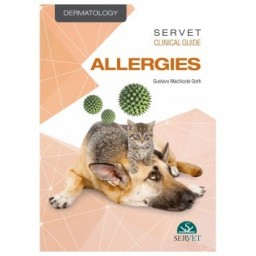
This book is part of the Servet Clinical Guides collection, in which each volume compiles the most relevant material on the subject matter covered. This volume focuses on dermatology and is centered on the management of allergic patients. This new collection was created with the objective of helping veterinary surgeons during consultations and providing them with useful information to establish a good relationship with clients. The goal is to give answers to owners’ most frequently asked questions in order to guide them in the best possible manner, as well as to help veterinary surgeons ensure owners complete the patients’ prescribed treatments and maintain effective clinical monitoring of all processes.
This new book in the Small Animal Surgery series reviews some of the surgical errors and complications that may occur in daily practice when performing surgery. It is intended for surgeons starting their professional careers and residents, as well as experienced veterinary surgeons, since it must not be forgotten that errors can occur at any time, no matter how much experience one may have.
This book highlights all the medical aspects that the veterinary practitioner should bear when dealing with a senior feline patient. The key points of each system and disease are addressed clearly. The practical application of the information provided is the book's main asset, always from the perspective of their physiological peculiarities and response to the treatment.
This book addresses the main feline infectious diseases that are usually seen in daily veterinary practice and includes all the existing updates regarding the diagnostic approach and management of these conditions. Its main aim is to provide highly practical information in order to offer a new perspective, different from other textbooks, about the current infectious diseases in cats.
This practical text on small animal dermatology provides the knowledge necessary to successfully diagnose and treat the most common skin diseases, which can account for up to 90% of veterinary consultations. This information is presented together with numerous images as well as a large number of diagnostic algorithms, which add to the practical value of the book.
This practical guide provides updated information about the infectious diseases that most commonly affect dogs, diagnostic approaches, treatments, vaccinations programmes and recommendations, etc., all described from a highly practical point of view.