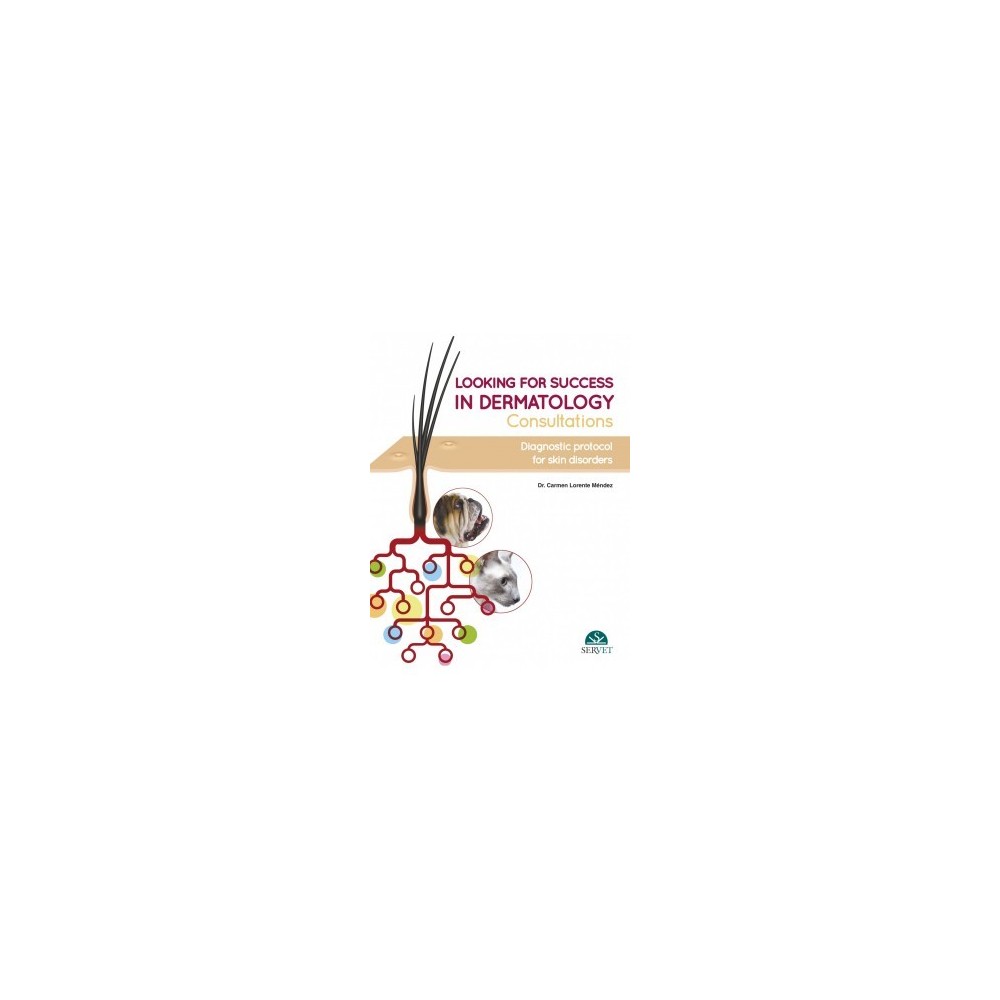
This practical text on small animal dermatology provides the knowledge necessary to successfully diagnose and treat the most common skin diseases, which can account for up to 90% of veterinary consultations. This information is presented together with numerous images as well as a large number of diagnostic algorithms, which add to the practical value of the book.
This practical text on small animal dermatology provides the knowledge necessary to successfully diagnose and treat the most common skin diseases, which can account for up to 90% of veterinary consultations. This information is presented together with numerous images as well as a large number of diagnostic algorithms, which add to the practical value of the book.
Author:
CARMEN LORENTE MÉNDEZ
Carmen earned her degree and PhD in veterinary medicine at the Complutense University of Madrid (1988 and 2005). She is recognised by the European Board of Veterinary Specialisation (EBVS) as a European Specialist in Veterinary Dermatology. Dr Lorente is also a Founding Diplomate in Dermatology of the European College of Veterinary Dermatology (ECVD). She currently reconciles her clinical work and duties as the director of Adervet with her position as an international consultant in dermatology at Laboklin.
Key Features:
➜ Very helpful decision-making tool for day-to-day dermatology consultations.
➜ Clear, well-structured content provides easily referenced information.
➜ Includes diagnostic algorithms and multiple images to illustrate the processes,
as well as practical treatment guidelines.
➜ Easy to read and intended for use in clinical practice.
Table of Contents:
1. Introduction
Dermatology consultation
Seeking quality: the theory of simplicity and excellence
Theory of excellence
The theory of simplicity
2. The search for relevant information
Anamnesis: the patient’s voice
Anamnesis script
Dermatological examination: collecting objective information
Introduction
Lesion type
3. Joining the pieces to solve the diagnostic puzzle
Diagnostic algorithm: differential diagnoses accordingto the
dermatological pattern
The difficulty and importance of defining the dermatological pattern
Diagnostic algorithm for the pruritic pattern in dogs
Diagnostic algorithm for the alopecic pattern in dogs
Diagnostic algorithm for the pustular pattern in dogs
Diagnostic algorithm for keratoseborrhoeic disorders in dogs
Diagnostic algorithm for the erosive–ulcerative pattern in dogs
Diagnostic algorithm for the nodular pattern in dogs
Diagnostic algorithm for pigmentary alterations
4. A practical guide to dermatological treatments
Treatment in dermatology
Topical treatment
Treatment of ectoparasitic conditions
Treatment of pruritus
Antibiotic therapy in dermatology
Recommended reading
Data sheet
Specific References
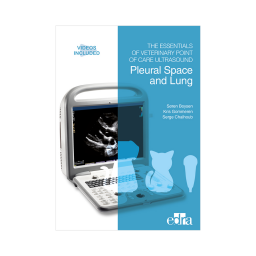
This book is designed to be a reference for both the new and experienced veterinary point-of-care sonographer. It includes tips and information nonspecialists will find helpful in assessing the pleural space and lung. It covers a step-by-step approach to performing pleural space and lung ultrasound and uses a binary question approach to allow novices and experts alike to master and grow their skills. It is accompanied by videos, which can be accessed through the eBook version or QR codes.
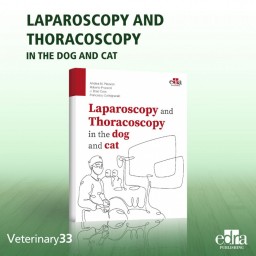
After the introduction in the 1980s of minimally invasive surgery in human medicine, laparoscopic and thoracoscopic surgery started to take hold also in veterinary medicine. Thanks to its reduced invasiveness and its fast post-operative recovery, minimally invasive surgery started to expand so quickly that nowadays it has become the preferred technique for many surgical procedures. Laparoscopy and Thoracoscopy in the dog and cat is a comprehensive book that describe all the minimally invasive surgical procedures.
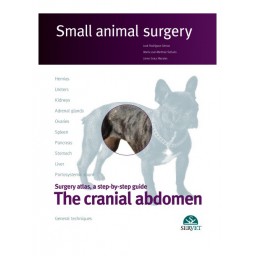
Servet presents the third volume of the publication “Small animal surgery”, which describes the main surgical procedures on the cranial abdomen of the dog, cat and ferret. This work, which has been acclaimed by professionals, stands out for the excellence of its images and the step-by-step description of each surgical technique using real clinical cases.
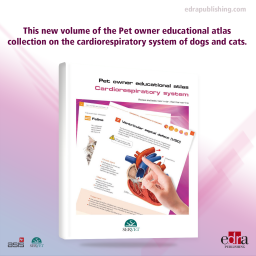
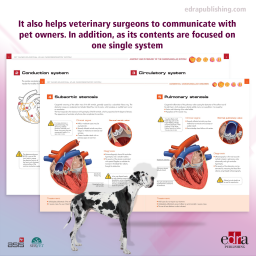
This new volume of the Pet owner educational atlas collection on the cardiorespiratory system of dogs and cats pursues the same objective as the previous books: helping veterinary surgeons to communicate with pet owners. In addition, as its contents are focused on one single system, the specificity of the topics addressed will also help veterinary practitioners to consolidate and broaden their knowledge.
This practical text on small animal dermatology provides the knowledge necessary to successfully diagnose and treat the most common skin diseases, which can account for up to 90% of veterinary consultations. This information is presented together with numerous images as well as a large number of diagnostic algorithms, which add to the practical value of the book.