Atlas of Embryonic...
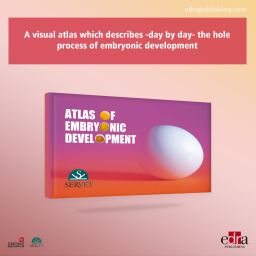
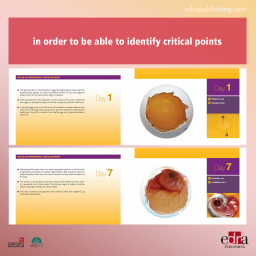
A visual atlas which describes –day by day– the hole process of embryonic development in order to be able to identify critical points in this process so a final and correct diagnosis can be established.
Active filters
A visual atlas which describes –day by day– the hole process of embryonic development in order to be able to identify critical points in this process so a final and correct diagnosis can be established.
The goal of this work is to present the reader with the most common diseases that can produce immunosuppression in poultry, provide guidance for the diagnosis of immunosuppressive diseases, and examine the challenges that a diagnostician may face in confirming a diagnosis of immunosuppression. The book will feature an extensive collection of color photographs depicting gross and microscopic images.
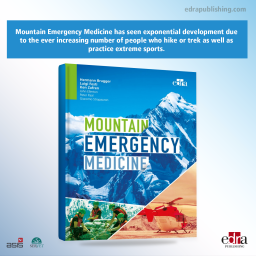
Mountain Emergency Medicine has seen exponential development due to the ever-increasing number of people who hike or trek as well as practice extreme sports. Emergency physicians and nurses need to be equipped with the necessary training to be able to manage “on the field” accidents and sicknesses as well as their own physical security. Theoretical knowledge is generally of high level but practical expertise is dangerously lacking in many operators. Furthermore, treatment modalities on the field have not been completely codified and are not supported by internationally-accepted guidelines. This book is the first to offer a complete and thorough approach to this field of Emergency Medicine based on the latest research findings.
This book provides a comprehensive review of in ovo techniques and treatments in poultry eggs, which are aimed at improving embryonic development and decreasing economic losses in poultry farms. The book is divided into four chapters, which address the basics of in ovo techniques and sites of in ovo injection, nutrient utilization for the development of the chick embryo, the role of early in ovo feeding for the chick embryo, and applications of in ovo technology for various nutrients and biological supplements in poultry.
This book is intended as a practical guide to enable small animal clinical veterinary surgeons and their teams to improve various aspects of their everyday practice: how they understand and relate to patients and clients, how they manage their work, the handling of animals during different procedures, and the implementation of programs to deal with behavioral issues. These aspects will have a highly positive impact on the well-being of the patient, the client, and the veterinary and support staff, with the implementation of smoother and more effective procedures.
This volume clarifies the importance of training techniques and methods for those looking for a notable hypertrophic response within a body recomposition process.