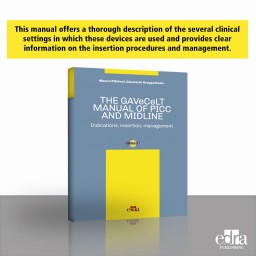
The GAVeCeLT manual of...
The use of intravenous access devices is fundamental for all patients needing frequent blood sample collection, artificial nutrition, chemotherapy, antibiotic therapy, and any other intravenous treatment.
Active filters
The use of intravenous access devices is fundamental for all patients needing frequent blood sample collection, artificial nutrition, chemotherapy, antibiotic therapy, and any other intravenous treatment.
Electrocardiography of the dog and cat, 2nd edition provides all the theoretical and practical information necessary to understand and identify rhythm abnormalities. This text will be particularly useful to accurately diagnose complex arrhythmias using precise electrocardiographic criteria that the authors have developed by confirming mechanisms of arrhythmias with intracardiac electrophysiologic studies. This book is a must-have reference for anyone interested in learning the basics of electrocardiography and those who face the challenge of interpreting the most complex arrhythmias in a clinical or research setting.
This volume clarifies the importance of training techniques and methods for those looking for a notable hypertrophic response within a body recomposition process.
Cet ouvrage explore la condition omnivore des humains, analyse les grands défis auxquels le monde est confronté pour éradiquer la faim, étudie la production de nourriture nécessaire à une population croissante, et ce, dans le respect que l’on doit au bien-être des animaux.
Reasons to be OMNIVORE explores the omnivorous condition of humans, analyzes the major challenges that the world faces to eradicate hunger, studies the production of food necessary for a growing population, with due respect owes to animal welfare. Without dodging any subject, like laboratory experimentation with living beings, vaccines or feeding pets, the book approaches the ethics considerations with rigor and based on statistics.
The book is now available for shipping!
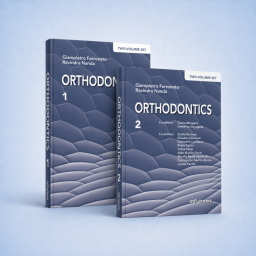
This volume is the passionate brainchild of many hands, featuring the work of members of several notable orthodontics schools, including Milan, Chieti, L’Aquila, Madrid, Naples, and Messina. The content of this book is based on years of experience and research on the part of professionals from the 30-year-old Orthodontic School of Milan. Every effort is made to ensure the development of the fundamental principle on which this school is based – concentrating on a holistic approach to patient care rather than relying on the mechanistic vision of most orthodontic philosophies.