The GAVeCeLT manual of...
The use of intravenous access devices is fundamental for all patients needing frequent blood sample collection, artificial nutrition, chemotherapy, antibiotic therapy, and any other intravenous treatment.
Active filters
The use of intravenous access devices is fundamental for all patients needing frequent blood sample collection, artificial nutrition, chemotherapy, antibiotic therapy, and any other intravenous treatment.
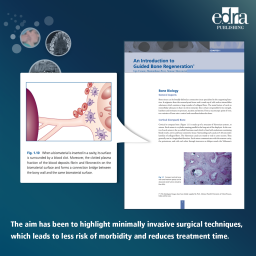
The introduction of osseointegrated dental implants soon 50 years ago has indeed revolutionized dentistry. The scientific evaluation of their use has shown good and increasingly successful treatment outcomes. A prerequisite though is the availability of sufficient bone volumes to ensure integration and acceptable aesthetic results. In this book various surgical techniques, using different augmentation materials, are described and explained. The aim has been to highlight minimally invasive surgical techniques, which leads to less risk of morbidity and reduces treatment time. Readers will enjoy a comprehensive atlas providing some practical advice for everyday surgical practice based on solid scientific evidence.
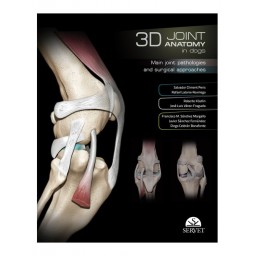
A visual guide with a strongly educational approach covering the main joints in the limbs of the dog. It shows the anatomical elements of each of these joints in three-dimensional diagrams. The views chosen for each case have been selected for a practical purpose, showing the position of the elements involved in the most commonly used surgical approaches. It also describes the key orthopaedic conditions affecting each joint and the most commonly used surgical approaches. It contains a large number of images and illustrations, and a selection of views presented in digital video format.
This book, structured according to the normal anatomical areas in radiological diagnostic imaging: abdomen, neck, thorax, limbs, spine, and head, offers the key aspects of both radiographic interpretation and the diagnosis of diseases, as well as a special chapter with the most common diagnostic errors. Its more than 500 high-resolution images are accompanied by the necessary text to increase their descriptive value. In addition, the book is complemented by multimedia material, which can be accessed through QR codes located throughout the text. In this way, the reader can access different normal radiographic anatomy diagrams, both with and without the anatomical details identified. All these elements make this book a reference in the field of clinical radiology.
The goal of this work is to present the reader with the most common diseases that can produce immunosuppression in poultry, provide guidance for the diagnosis of immunosuppressive diseases, and examine the challenges that a diagnostician may face in confirming a diagnosis of immunosuppression. The book will feature an extensive collection of color photographs depicting gross and microscopic images.
Correct vaccination of dogs and cats requires consideration of a broad range of clinical situations and vaccination options, and obliges veterinary surgeons to constantly update their knowledge in order to appropriately deal with the challenges that arise in daily clinical practice. Using a thoroughly practical approach, this book takes an in-depth look at vaccines and vaccination to provide veterinary professionals with the information they require to address the many doubts and questions that arise in relation to this topic.