The GAVeCeLT manual of...
The use of intravenous access devices is fundamental for all patients needing frequent blood sample collection, artificial nutrition, chemotherapy, antibiotic therapy, and any other intravenous treatment.
Active filters
The use of intravenous access devices is fundamental for all patients needing frequent blood sample collection, artificial nutrition, chemotherapy, antibiotic therapy, and any other intravenous treatment.
This guide compiles practical information to aid veterinary clinicians in managing cancer patients, and covers aspects related to diagnosis, prognosis, and treatment, as well as pain management and communication with owners. It has been developed by leading specialists in oncology who approach the subject from a practical perspective, and includes many images, tables, and diagrams that facilitate understanding of its content and make it an essential volume on the bookshelves of any veterinary clinic.
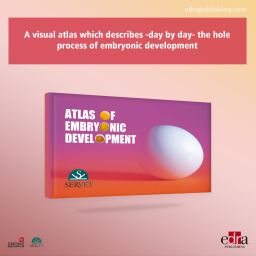
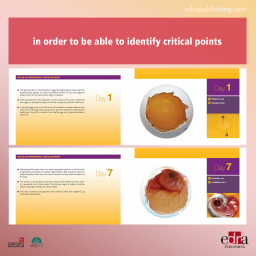
A visual atlas which describes –day by day– the hole process of embryonic development in order to be able to identify critical points in this process so a final and correct diagnosis can be established.
The goal of this work is to present the reader with the most common diseases that can produce immunosuppression in poultry, provide guidance for the diagnosis of immunosuppressive diseases, and examine the challenges that a diagnostician may face in confirming a diagnosis of immunosuppression. The book will feature an extensive collection of color photographs depicting gross and microscopic images.
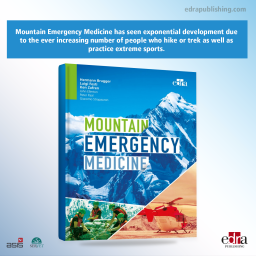
Mountain Emergency Medicine has seen exponential development due to the ever-increasing number of people who hike or trek as well as practice extreme sports. Emergency physicians and nurses need to be equipped with the necessary training to be able to manage “on the field” accidents and sicknesses as well as their own physical security. Theoretical knowledge is generally of high level but practical expertise is dangerously lacking in many operators. Furthermore, treatment modalities on the field have not been completely codified and are not supported by internationally-accepted guidelines. This book is the first to offer a complete and thorough approach to this field of Emergency Medicine based on the latest research findings.