
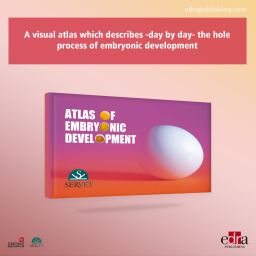
Atlas of Embryonic...
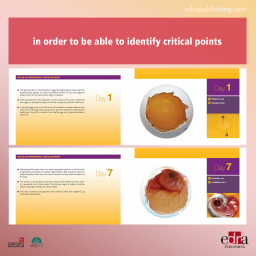
A visual atlas which describes –day by day– the hole process of embryonic development in order to be able to identify critical points in this process so a final and correct diagnosis can be established.
Active filters
A visual atlas which describes –day by day– the hole process of embryonic development in order to be able to identify critical points in this process so a final and correct diagnosis can be established.
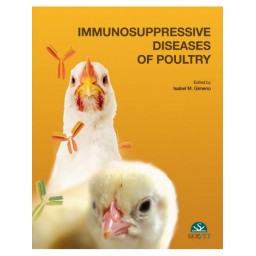
The goal of this work is to present the reader with the most common diseases that can produce immunosuppression in poultry, provide guidance for the diagnosis of immunosuppressive diseases, and examine the challenges that a diagnostician may face in confirming a diagnosis of immunosuppression. The book will feature an extensive collection of color photographs depicting gross and microscopic images.
This book provides a comprehensive review of in ovo techniques and treatments in poultry eggs, which are aimed at improving embryonic development and decreasing economic losses in poultry farms. The book is divided into four chapters, which address the basics of in ovo techniques and sites of in ovo injection, nutrient utilization for the development of the chick embryo, the role of early in ovo feeding for the chick embryo, and applications of in ovo technology for various nutrients and biological supplements in poultry.
The second edition of this educational atlas on cats expands on its initial goal of helping veterinary surgeons communicate with owners by adding to the content of the first edition with 16 new sheets. Needless to say that the previous topics have been revised and updated with the latest developments in each area.
This gem of a book on aortic dissection brings together all the superstars in the field as authors and is edited by two of them, Germano Melissano and Roberto Chiesa. The volume contains the most thorough and up-to-date information on this disease entity and its treatment. It also includes two chapters that provide perspectives of patients suffering from this serious disease, which is so often unrecognized and poorly treated. Accordingly, this text is a “must-have” for all specialists and generalists interested in the challenging disease process of aortic dissections.
Treatments for aortic diseases have undergone explosive advances in the last decade. So too has our understanding of aortic disease processes. This progress in understanding and available treatments has come with the cost of increasing complexity. Roberto Chiesa and Germano Melissano have edited a unique jewel of a book which deals with the many complexities of these advances in the pathogenesis of aortic diseases, their endovascular and open treatments and the management of treatment complications.