Atlas of Embryonic...
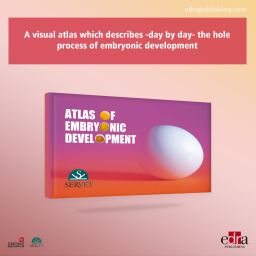
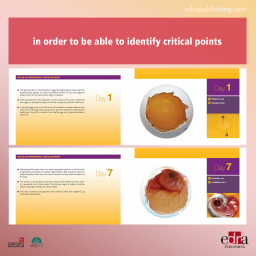
A visual atlas which describes –day by day– the hole process of embryonic development in order to be able to identify critical points in this process so a final and correct diagnosis can be established.
Active filters
A visual atlas which describes –day by day– the hole process of embryonic development in order to be able to identify critical points in this process so a final and correct diagnosis can be established.
This book provides a comprehensive review of in ovo techniques and treatments in poultry eggs, which are aimed at improving embryonic development and decreasing economic losses in poultry farms. The book is divided into four chapters, which address the basics of in ovo techniques and sites of in ovo injection, nutrient utilization for the development of the chick embryo, the role of early in ovo feeding for the chick embryo, and applications of in ovo technology for various nutrients and biological supplements in poultry.
The second edition of this educational atlas on cats expands on its initial goal of helping veterinary surgeons communicate with owners by adding to the content of the first edition with 16 new sheets. Needless to say that the previous topics have been revised and updated with the latest developments in each area.
Diagnostic imaging is a key component in the care of companion animal patients. In recent decades the available imaging modalities have expanded from conventional radiography to include ultrasonography, computed tomography, and magnetic resonance imaging, and all are employed on a daily basis in both general and specialty veterinary practice.
Although nasal cytology is still a little used diagnostic approach, it has often proved to be decisive: it makes it possible to distinguish between different forms of rhinopathy – inflammatory from infectious, allergic from non-allergic vasomotor, and bacterial from viral and fungal forms, as well as to diagnose the presence, in the same patient, of various “overlapping” forms. It is also important to consider other important aspects that make cytology a practical diagnostic method, accessible to all rhinoallergology services: the simplicity and low invasiveness of the technique. This book fills a gap given that, to date, there have been no textbooks or atlases dealing with this specific topic.
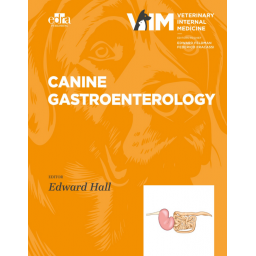
The book is divided into six sections, starting with the diagnostic approach to specific clinical presentations that may or may not be due to GI disease, with each chapter including an algorithmic pathway. A section on diagnostic methods is followed by sections about the management of GI diseases and non-specific and specific drug treatments. The fifth section covers diffuse inflammatory, infectious and neoplastic diseases of the GI tract. Specific diseases of each area of the tract from esophagus to large intestine are found in the final section.