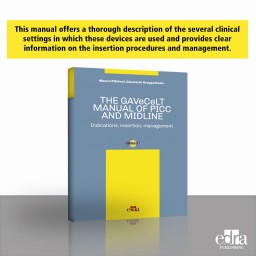
The GAVeCeLT manual of...
The use of intravenous access devices is fundamental for all patients needing frequent blood sample collection, artificial nutrition, chemotherapy, antibiotic therapy, and any other intravenous treatment.
Active filters
The use of intravenous access devices is fundamental for all patients needing frequent blood sample collection, artificial nutrition, chemotherapy, antibiotic therapy, and any other intravenous treatment.
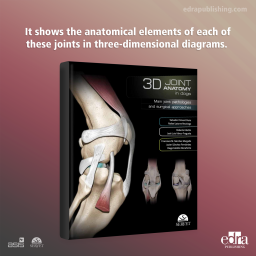
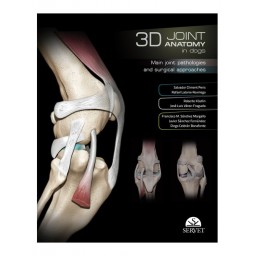
A visual guide with a strongly educational approach covering the main joints in the limbs of the dog. It shows the anatomical elements of each of these joints in three-dimensional diagrams. The views chosen for each case have been selected for a practical purpose, showing the position of the elements involved in the most commonly used surgical approaches. It also describes the key orthopaedic conditions affecting each joint and the most commonly used surgical approaches. It contains a large number of images and illustrations, and a selection of views presented in digital video format.
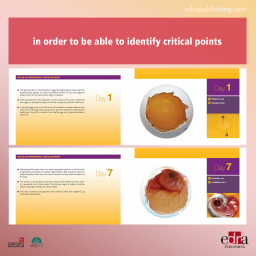
A visual atlas which describes –day by day– the hole process of embryonic development in order to be able to identify critical points in this process so a final and correct diagnosis can be established.
The goal of this work is to present the reader with the most common diseases that can produce immunosuppression in poultry, provide guidance for the diagnosis of immunosuppressive diseases, and examine the challenges that a diagnostician may face in confirming a diagnosis of immunosuppression. The book will feature an extensive collection of color photographs depicting gross and microscopic images.
This comprehensive guide, born from a profound understanding of the challenges faced by veterinarians, provides an authoritative and readily accessible resource for addressing urgent surgical needs in small animals. Dogs and cats often find themselves in critical situations necessitating swift and precise surgical intervention.
A new application method and a different clinical reasoning compared to other types of taping and bandaging are the basis of the NeuroMuscular decompressive and compressive taping technique. To illustrate this innovative rehabilitation treatment, this book aims to answer these fundamental questions: When is NeuroMuscular Taping applied? How is it applied? What clinical advantages does it offer?
The book shows the modes of application and benefits of NeuroMuscular Taping in post-surgical and post-traumatic drainage of edemas and hematomas, as well as in the treatment of scars.