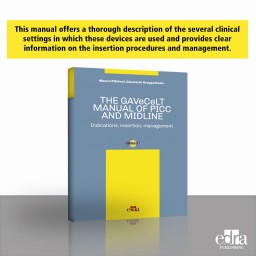
The GAVeCeLT manual of...
The use of intravenous access devices is fundamental for all patients needing frequent blood sample collection, artificial nutrition, chemotherapy, antibiotic therapy, and any other intravenous treatment.
Active filters
The use of intravenous access devices is fundamental for all patients needing frequent blood sample collection, artificial nutrition, chemotherapy, antibiotic therapy, and any other intravenous treatment.
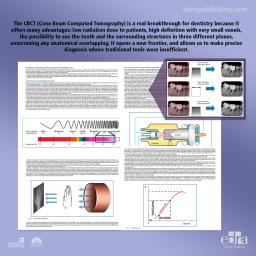
The CBCT (Cone Beam Computed Tomography) is a real breakthrough for dentistry because it offers many advantages: low radiation dose to patients, high definition with very small voxels, the possibility to see the tooth and the surrounding structures in three different planes, overcoming any anatomical overlapping. The introductory chapters provide the reader with the knowledge and basic tools to understand the CBCT. Everything else is an atlas, highly enjoyable, which includes the use of CBCT in both clinical and surgical dentistry, and describes in details not only the diagnostic phase but also the operational use to program the individual case, and control the future outcome.
This handbook, which highlights the importance of achieving high quality milk levels through a practial and visual approach, has been written by authors with a wide experience in this field. Numerous graphic resources (images, graphs, tables, flowcharts) have been included to complement the information provided and make the contents more understandable and accessible to readers.
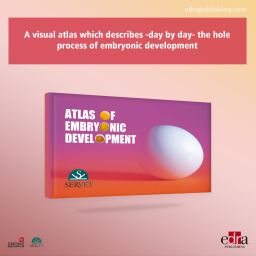
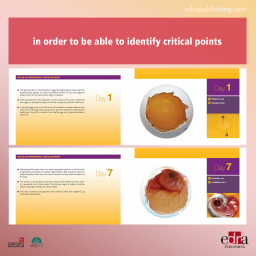
A visual atlas which describes –day by day– the hole process of embryonic development in order to be able to identify critical points in this process so a final and correct diagnosis can be established.
The extraction of impacted dental elements is often referred to by maxillofacial surgeons. However, it can be handled as routinely as any other type of extraction. Piezoelectric surgery of impacted teeth, which involves reproducible procedures using a step-by-step approach in all types of cases, also allows dentists who approach the extraction of impacted elements less frequently to carefully prepare for the procedure and perform it, thereby minimizing possible post-surgical issues for the patient, such as biological risks. Using the most innovative techniques, including the application of ultrasound in oral surgery and piezoelectric surgery, the author provides an indispensable tool to train and update dentists who intend to perform all types of extractions.