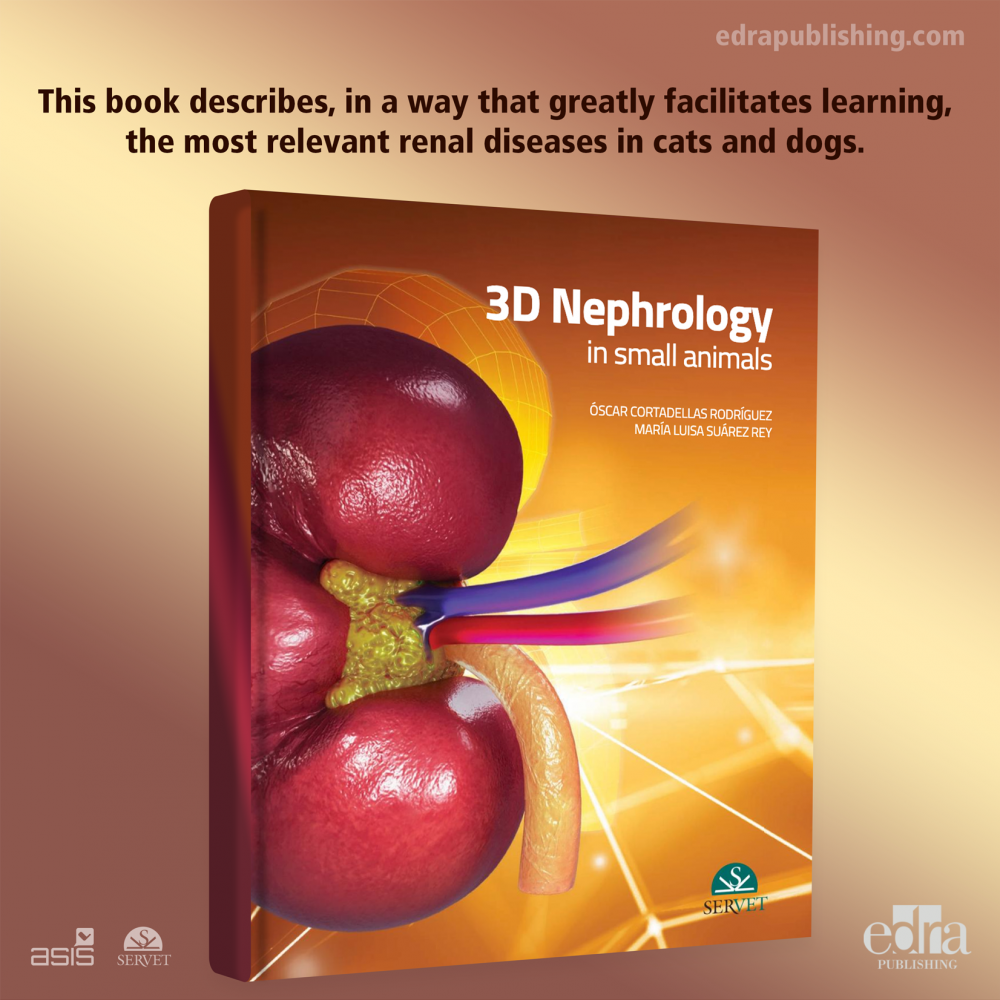


This book describes, in a way that greatly facilitates learning, the most relevant renal diseases in cats and dogs, with a focus on their pathophysiology and diagnosis, as well as on how they can be treated. The content not only reflects the latest advances in nephrology, but also shows the kidney in a way rarely seen in veterinary medicine. Either by navigating through the ebook or by using the QR codes in the printed version, readers will be able to view animations designed to explain the anatomy and physiology of the kidney, the pathophysiology of renal diseases and certain techniques.
This book describes, in a way that greatly facilitates learning, the most relevant renal diseases in cats and dogs, with a focus on their pathophysiology and diagnosis, as well as on how they can be treated. The content not only reflects the latest advances in nephrology, but also shows the kidney in a way rarely seen in veterinary medicine. Either by navigating through the ebook or by using the QR codes in the printed version, readers will be able to view animations designed to explain the anatomy and physiology of the kidney, the pathophysiology of renal diseases and certain techniques.
KEY FEATURES
➜ 3D animations and videos included.
➜ Rigorous yet accessible approach.
➜ Aids communication with pet owners.
➜ Diagnosis-oriented format.
➜ Up-to-date contents.
Authors:
ÓSCAR CORTADELLAS RODRÍGUEZ
PhD in veterinary medicine from the University of Murcia, Spain (2004). He works as a private clinician at the Germanías veterinary clinic (Valencia). He is also an internal medicine specialist at the Veterinary Teaching Hospital of the University CEU Cardinal Herrera (Valencia).
MARÍA LUISA SUÁREZ REY
PhD in veterinary medicine from the University of Santiago de Compostela (USC), Spain (1997). Full professor of medical pathology in the Department of Veterinary Clinical Sciences of the USC Faculty of Veterinary Medicine (Lugo). She also works as an internal medicine specialist at the Rof Codina Veterinary Teaching Hospital (Lugo).
Table of contents:
1. Renal anatomy and physiology
Kidneys
Ureters
Bladder
Urethra
Renal physiology
2. Hereditary nephropathies
Introduction
Polycystic disease
Renal dysplasia
Hereditary nephritis
Amyloidosis
Immune-mediated glomerulonephritis
Tubulopathies
3. Glomerular diseases
Introduction
Glomerulonephritis
Renal amyloidosis
Nephrotic syndrome
4. DIAGNOSIS OF GLOMERULAR DISEASE
Proteinuria
Kidney biopsy
4. Pyelonephritis
Introduction
Pathophysiology
Clinical presentation
Diagnosis
Treatment
5. Nephroureterolithiasis
Introduction
Clinical presentation
Diagnosis
Treatment
6. Hydronephrosis
Introduction
Aetiology
Pathogenesis
Clinical presentation
Diagnosis
Treatment
7. Renal abcesses
Introduction
Clinical presentation
Diagnosis
Treatment
8. Perirenal pseudocysts
Introduction
Clinical presentation
Diagnosis
Treatment
9. Idiopathic renal haematuria
Introduction
Clinical presentation
Diagnosis
Treatment
10. Acute kidney injury
Introduction
Phases of AKI
Aetiology and pathogenesis
Specific causes of AKI
Clinical presentation
Diagnosis
Treatment
11. Chronic kidney disease
Introduction
Pathophysiology of CKD
Causes of CKD
Clinical presentation
Diagnosis and classification of CKD
Treatment
12. Kidney and bladder tumours
Kidney tumors
Bladder tumors
Data sheet
Specific References
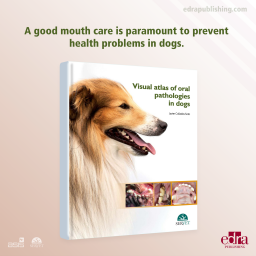
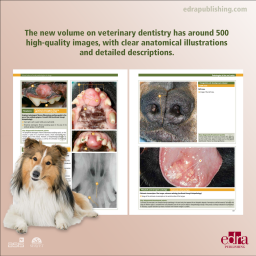
Good mouth care is paramount to prevent health problems in dogs. However, some oral conditions may sometimes be really challenging to diagnose and treat. With almost 500 high-quality images, clear anatomical illustrations, and thorough descriptions, this new volume on veterinary dentistry aims at being a quick visual guide for diagnosing oral problems in dogs.
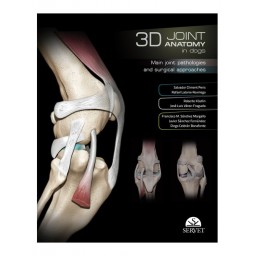
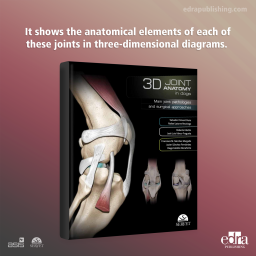
A visual guide with a strongly educational approach covering the main joints in the limbs of the dog. It shows the anatomical elements of each of these joints in three-dimensional diagrams. The views chosen for each case have been selected for a practical purpose, showing the position of the elements involved in the most commonly used surgical approaches. It also describes the key orthopaedic conditions affecting each joint and the most commonly used surgical approaches. It contains a large number of images and illustrations, and a selection of views presented in digital video format.
This book reviews, using a highly visual approach, the most common eye disorders and diseases affecting dogs; it includes illustrations, images, and 3D animations to provide veterinary practitioners with a genuine experience of clinical ophthalmology. The content is particularly useful, with concise, comprehensible texts that are supported by the visual material.
This manual on surgery, gathering 30 clinical cases, provides the reader with a better understanding to perform surgeries in dogs and cats with gastrointestinal disorders. Both simple and complex cases are addressed, detailing patient’s history, physical examination, surgical preparation and technique, as well as additional considerations. It is the intention of the authors of this book to present a series of assorted surgical cases related to the digestive system. Surgical situations of dogs and cats with a more frequent presentation, but because of that none less challenging, will be included. Some less commonly presentations, with their own puzzling demands, will be also addressed.
This book describes, in a way that greatly facilitates learning, the most relevant renal diseases in cats and dogs, with a focus on their pathophysiology and diagnosis, as well as on how they can be treated. The content not only reflects the latest advances in nephrology, but also shows the kidney in a way rarely seen in veterinary medicine. Either by navigating through the ebook or by using the QR codes in the printed version, readers will be able to view animations designed to explain the anatomy and physiology of the kidney, the pathophysiology of renal diseases and certain techniques.