Digestive diseases...
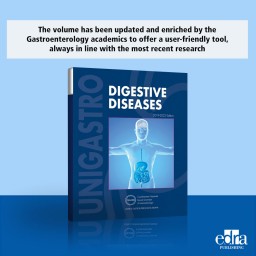
The volume has been updated and enriched by the Gastroenterology academics to offer a user-friendly tool, always in line with the most recent research and pedagogical methodologies.
Active filters
The volume has been updated and enriched by the Gastroenterology academics to offer a user-friendly tool, always in line with the most recent research and pedagogical methodologies.
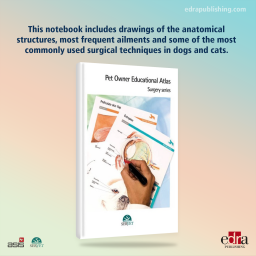
This notebook includes drawings of the anatomical structures, most frequent ailments and some of the most commonly used surgical techniques in dogs and cats. Its purpose is to facilitate communication between vets and their clients, since it will enable them to explain graphically what is happening to the pet, where, and the procedure for the possible resolution of the problem.
This book offers essential information about how to obtain samples for routine clinical and pathological investigations veterinarians habitually follow in pig farms. In addition, a complete and easy-to-perform necropsy procedure is shown. Picture galleries illustrate these procedures in a very easy way to follow. The guide also contains a set of pictures representing the main pathologies veterinarians can find in their practice. The guide is very visual and literature is reduced in order to facilitate the use of the book. This design, together with the book format and binding makes this guide very easy to use in practice by veterinarians and farm workers.
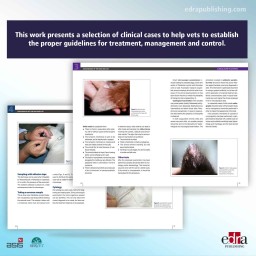
Twenty per cent of visits to the vet may be due to otitis and, although in general they do not represent a serious condition for the animal, they may become very insidious processes if they are not treated suitably. This work presents a selection of clinical cases to help vets to establish the proper guidelines for treatment, management and control.
Fluid therapy is one of the most widely used and necessary therapies for critically ill patients and those who are not able to hydrate and feed themselves spontaneously.
Order now!
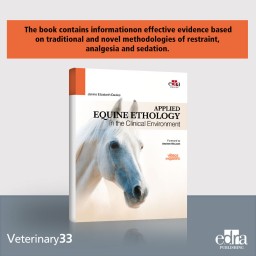
This practical veterinary handbook has been designed to guide professionals through the behavioral assessment of the equine patient during clinical procedures and gain an understanding of how to develop a behavioral management strategy which is the most appropriate for each individual horse and suitable for the type of procedure to be performed.
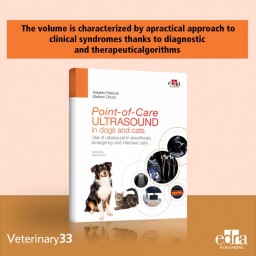
For the first time, also in veterinary medicine, a text that applies the Point-of-Care ultrasound approach (PoCUS) and which uses the understanding of the ultrasound sign within a dynamic context, that of the most common clinical syndromes in emergency and intensive care, is available.