
Atlas of Embryonic...
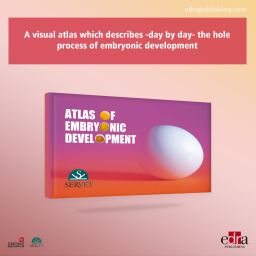
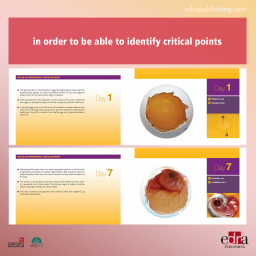
A visual atlas which describes –day by day– the hole process of embryonic development in order to be able to identify critical points in this process so a final and correct diagnosis can be established.
Active filters
A visual atlas which describes –day by day– the hole process of embryonic development in order to be able to identify critical points in this process so a final and correct diagnosis can be established.
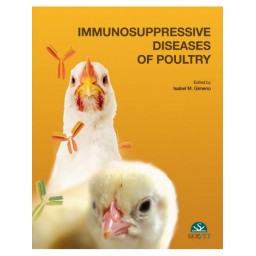
The goal of this work is to present the reader with the most common diseases that can produce immunosuppression in poultry, provide guidance for the diagnosis of immunosuppressive diseases, and examine the challenges that a diagnostician may face in confirming a diagnosis of immunosuppression. The book will feature an extensive collection of color photographs depicting gross and microscopic images.
When unpredictable, catastrophic and disabling events happen into all sectors of the economy and social life, the impact of the change becomes immediate, with an acceleration of the processes that almost always leads to a concentration and restructuring of the activities. In our case of the dental offer. In the next future it will occur a physiological reduction of the dental offices that will be larger on average, organized, competitive, entrepreneurial. In this context matters relating to management and business economics should become part of the cultural heritage of dentists, at least those who run their own business.
This volume clarifies the importance of training techniques and methods for those looking for a notable hypertrophic response within a body recomposition process.
Although nasal cytology is still a little used diagnostic approach, it has often proved to be decisive: it makes it possible to distinguish between different forms of rhinopathy – inflammatory from infectious, allergic from non-allergic vasomotor, and bacterial from viral and fungal forms, as well as to diagnose the presence, in the same patient, of various “overlapping” forms. It is also important to consider other important aspects that make cytology a practical diagnostic method, accessible to all rhinoallergology services: the simplicity and low invasiveness of the technique. This book fills a gap given that, to date, there have been no textbooks or atlases dealing with this specific topic.