Atlas of Embryonic...
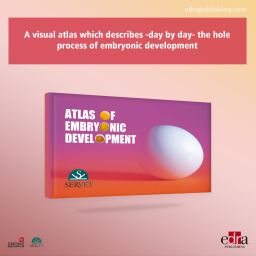
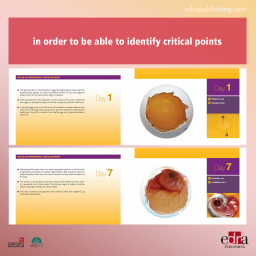
A visual atlas which describes –day by day– the hole process of embryonic development in order to be able to identify critical points in this process so a final and correct diagnosis can be established.
Active filters
A visual atlas which describes –day by day– the hole process of embryonic development in order to be able to identify critical points in this process so a final and correct diagnosis can be established.
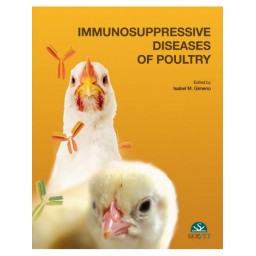
The goal of this work is to present the reader with the most common diseases that can produce immunosuppression in poultry, provide guidance for the diagnosis of immunosuppressive diseases, and examine the challenges that a diagnostician may face in confirming a diagnosis of immunosuppression. The book will feature an extensive collection of color photographs depicting gross and microscopic images.
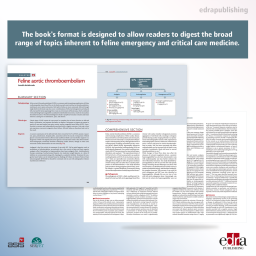
Successfully managing emergency patients and those with critical illness requires knowledge and skills often not adequately covered in veterinary and veterinary technician training programs. The Authors have created a comprehensive resource to use to grasp the issues and scope of problems inevitably encountered in clinical practice. The book's format is designed to allow readers to digest the broad range of topics inherent to feline emergency and critical care medicine.
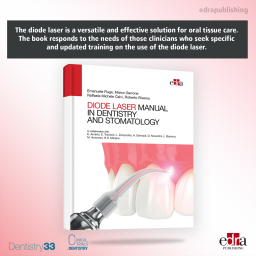
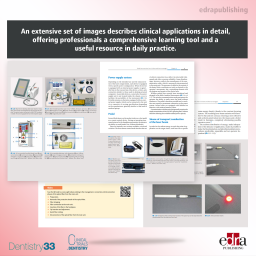
The diode laser is a versatile and effective solution for oral tissue care. The book responds to the needs of those clinicians who seek specific and updated training on the use of the diode laser. An extensive set of images describes clinical applications in detail, offering professionals a comprehensive learning tool and a useful resource in daily practice. It is also possible to access videos on specific topics covered in the text from a smartphone or tablet via the QR codes printed inside this book.
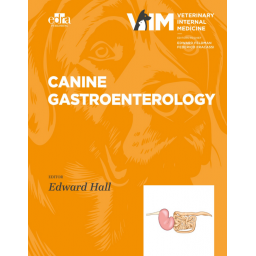
The book is divided into six sections, starting with the diagnostic approach to specific clinical presentations that may or may not be due to GI disease, with each chapter including an algorithmic pathway. A section on diagnostic methods is followed by sections about the management of GI diseases and non-specific and specific drug treatments. The fifth section covers diffuse inflammatory, infectious and neoplastic diseases of the GI tract. Specific diseases of each area of the tract from esophagus to large intestine are found in the final section.