
Atlas of Embryonic...
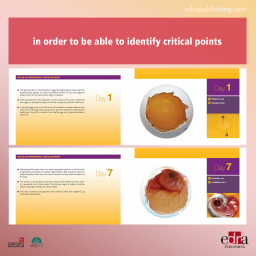
A visual atlas which describes –day by day– the hole process of embryonic development in order to be able to identify critical points in this process so a final and correct diagnosis can be established.

Active filters
A visual atlas which describes –day by day– the hole process of embryonic development in order to be able to identify critical points in this process so a final and correct diagnosis can be established.
The goal of this work is to present the reader with the most common diseases that can produce immunosuppression in poultry, provide guidance for the diagnosis of immunosuppressive diseases, and examine the challenges that a diagnostician may face in confirming a diagnosis of immunosuppression. The book will feature an extensive collection of color photographs depicting gross and microscopic images.
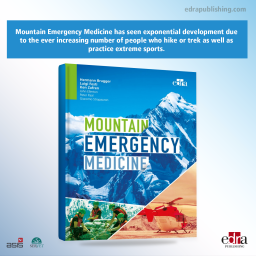
Mountain Emergency Medicine has seen exponential development due to the ever-increasing number of people who hike or trek as well as practice extreme sports. Emergency physicians and nurses need to be equipped with the necessary training to be able to manage “on the field” accidents and sicknesses as well as their own physical security. Theoretical knowledge is generally of high level but practical expertise is dangerously lacking in many operators. Furthermore, treatment modalities on the field have not been completely codified and are not supported by internationally-accepted guidelines. This book is the first to offer a complete and thorough approach to this field of Emergency Medicine based on the latest research findings.
Diagnostic imaging is a key component in the care of companion animal patients. In recent decades the available imaging modalities have expanded from conventional radiography to include ultrasonography, computed tomography, and magnetic resonance imaging, and all are employed on a daily basis in both general and specialty veterinary practice.
This volume clarifies the importance of training techniques and methods for those looking for a notable hypertrophic response within a body recomposition process.
A new application method and a different clinical reasoning compared to other types of taping and bandaging are the basis of the NeuroMuscular decompressive and compressive taping technique. To illustrate this innovative rehabilitation treatment, this book aims to answer these fundamental questions: When is NeuroMuscular Taping applied? How is it applied? What clinical advantages does it offer?
The book shows the modes of application and benefits of NeuroMuscular Taping in post-surgical and post-traumatic drainage of edemas and hematomas, as well as in the treatment of scars.