
0
CART
0 item
Categories
-
Veterinary Books
-
Companion Animals
- Anaesthesia/Analgesia
- Anatomy
- Cardiology
- Cytology/Laboratorial
- Dermatology
- Diagnostic imaging
- Emergency
- Endocrinology
- Endocrinology/ Reproduction
- Equine
- Ethology
- Infectious diseases and immunology
- Nephrology/Urology
- Nutrition
- Oncology
- Ophthalmology
- Parasites
- Pet owner educational atlas
- Rehabilitation
- Senior care
- Surgery
- Surgery and traumatology/Orthopaedics
- Veterinary Dentistry
- Livestock
- Management
-
Companion Animals
- Dentistry Books
- Medicine Books
- CE Webinar
- CE Webinar
- French books
- E-books
Categories
-
Veterinary Books
-
Companion Animals
- Anaesthesia/Analgesia
- Anatomy
- Cardiology
- Cytology/Laboratorial
- Dermatology
- Diagnostic imaging
- Emergency
- Endocrinology
- Endocrinology/ Reproduction
- Equine
- Ethology
- Infectious diseases and immunology
- Nephrology/Urology
- Nutrition
- Oncology
- Ophthalmology
- Parasites
- Pet owner educational atlas
- Rehabilitation
- Senior care
- Surgery
- Surgery and traumatology/Orthopaedics
- Veterinary Dentistry
- Livestock
- Management
-
Companion Animals
- Dentistry Books
- Medicine Books
- CE Webinar
- CE Webinar
- French books
- E-books



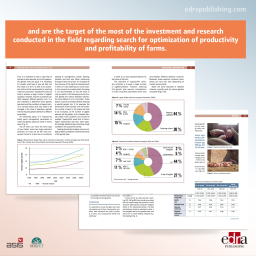
Management of the...
Price
CAD 82.00
Technical work mainly focused on the management of pig farms working with hyperprolific genetics, which almost completely monopolize the market in this species in both productive and reproductive terms. The author, a renowned experienced specialist in swine genetics, provides key information to facilitate the management of these lines by veterinary professionals.
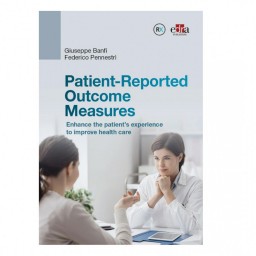
Patient-Reported...
Price
CAD 75.60
Growing investments in healthcare do not necessarily produce corresponding improvements in the perceived health of their recipients, whether individual patients or society as a whole. Sometimes, even the opposite is true: growing investments in healthcare lead to lower benefits perceived by patients. How to quantify the health regained by patients? How to measure what for does it really matter to them when physical health is not fully recoverable? How to help physicians and administrators identify the correct objectives and improvements? What scientific instruments can estimate the prospect of patients and society in allocating limited resources? The development of the Patient Reported Outcome Measurements (PROMs) helps answer many of these challenges.