




Atlas of Embryonic...
A visual atlas which describes –day by day– the hole process of embryonic development in order to be able to identify critical points in this process so a final and correct diagnosis can be established.
Active filters
A visual atlas which describes –day by day– the hole process of embryonic development in order to be able to identify critical points in this process so a final and correct diagnosis can be established.
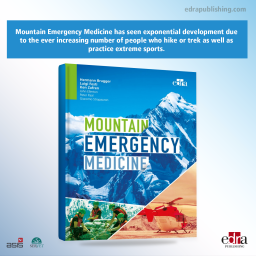
Mountain Emergency Medicine has seen exponential development due to the ever-increasing number of people who hike or trek as well as practice extreme sports. Emergency physicians and nurses need to be equipped with the necessary training to be able to manage “on the field” accidents and sicknesses as well as their own physical security. Theoretical knowledge is generally of high level but practical expertise is dangerously lacking in many operators. Furthermore, treatment modalities on the field have not been completely codified and are not supported by internationally-accepted guidelines. This book is the first to offer a complete and thorough approach to this field of Emergency Medicine based on the latest research findings.
In this book PNEI paradigm presents itself in its full extension: from the description of the historical and philosophical bases to the biological revolution underway; from the description of nervous, neuroendocrine, immune, and psychic systems and their reciprocal influences; to the modulation tools of the human network for preventive and therapeutic uses.
This volume is the passionate brainchild of many hands, featuring the work of members of several notable orthodontics schools, including Milan, Chieti, L’Aquila, Madrid, Naples, and Messina. The content of this book is based on years of experience and research on the part of professionals from the 30-year-old Orthodontic School of Milan. Every effort is made to ensure the development of the fundamental principle on which this school is based – concentrating on a holistic approach to patient care rather than relying on the mechanistic vision of most orthodontic philosophies.