Good Practice and...
Professional responsibility, “good practice and malpractice” in obstetrics is one of the major areas of medical-legal litigation.
Active filters
Professional responsibility, “good practice and malpractice” in obstetrics is one of the major areas of medical-legal litigation.
Electrocardiography of the dog and cat, 2nd edition provides all the theoretical and practical information necessary to understand and identify rhythm abnormalities. This text will be particularly useful to accurately diagnose complex arrhythmias using precise electrocardiographic criteria that the authors have developed by confirming mechanisms of arrhythmias with intracardiac electrophysiologic studies. This book is a must-have reference for anyone interested in learning the basics of electrocardiography and those who face the challenge of interpreting the most complex arrhythmias in a clinical or research setting.
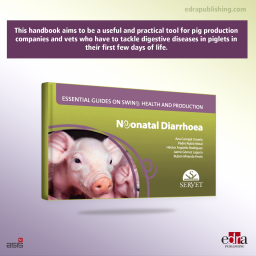
This handbook is intended to be a useful and practical tool primarily developed for pig production companies, as well as for veterinary practitioners faced with enteric disease affecting piglets in their first days of life. The contents are the result of the joint efforts of highly-regarded specialists with years of experience in the field of enteric diseases in swine..
This handbook, which highlights the importance of achieving high quality milk levels through a practial and visual approach, has been written by authors with a wide experience in this field. Numerous graphic resources (images, graphs, tables, flowcharts) have been included to complement the information provided and make the contents more understandable and accessible to readers.
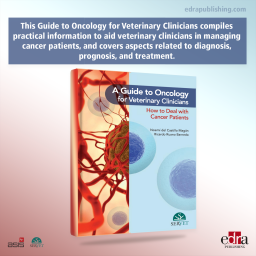
This guide compiles practical information to aid veterinary clinicians in managing cancer patients, and covers aspects related to diagnosis, prognosis, and treatment, as well as pain management and communication with owners. It has been developed by leading specialists in oncology who approach the subject from a practical perspective, and includes many images, tables, and diagrams that facilitate understanding of its content and make it an essential volume on the bookshelves of any veterinary clinic.
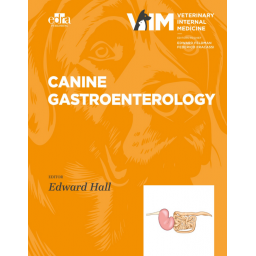
The book is divided into six sections, starting with the diagnostic approach to specific clinical presentations that may or may not be due to GI disease, with each chapter including an algorithmic pathway. A section on diagnostic methods is followed by sections about the management of GI diseases and non-specific and specific drug treatments. The fifth section covers diffuse inflammatory, infectious and neoplastic diseases of the GI tract. Specific diseases of each area of the tract from esophagus to large intestine are found in the final section.