Atlas of Embryonic...
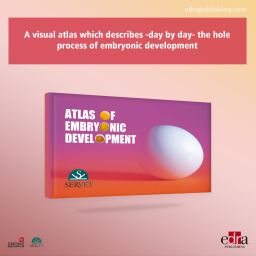
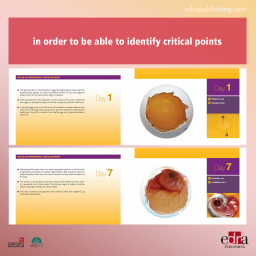
A visual atlas which describes –day by day– the hole process of embryonic development in order to be able to identify critical points in this process so a final and correct diagnosis can be established.
Active filters
A visual atlas which describes –day by day– the hole process of embryonic development in order to be able to identify critical points in this process so a final and correct diagnosis can be established.
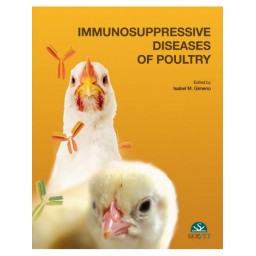
The goal of this work is to present the reader with the most common diseases that can produce immunosuppression in poultry, provide guidance for the diagnosis of immunosuppressive diseases, and examine the challenges that a diagnostician may face in confirming a diagnosis of immunosuppression. The book will feature an extensive collection of color photographs depicting gross and microscopic images.
This volume clarifies the importance of training techniques and methods for those looking for a notable hypertrophic response within a body recomposition process.
Growing investments in healthcare do not necessarily produce corresponding improvements in the perceived health of their recipients, whether individual patients or society as a whole. Sometimes, even the opposite is true: growing investments in healthcare lead to lower benefits perceived by patients. How to quantify the health regained by patients? How to measure what for does it really matter to them when physical health is not fully recoverable? How to help physicians and administrators identify the correct objectives and improvements? What scientific instruments can estimate the prospect of patients and society in allocating limited resources? The development of the Patient Reported Outcome Measurements (PROMs) helps answer many of these challenges.
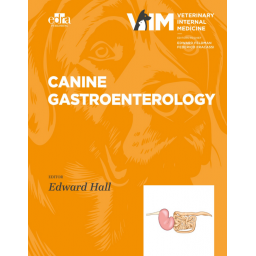
The book is divided into six sections, starting with the diagnostic approach to specific clinical presentations that may or may not be due to GI disease, with each chapter including an algorithmic pathway. A section on diagnostic methods is followed by sections about the management of GI diseases and non-specific and specific drug treatments. The fifth section covers diffuse inflammatory, infectious and neoplastic diseases of the GI tract. Specific diseases of each area of the tract from esophagus to large intestine are found in the final section.