Pharmaceutical...
The world of health is undergoing a significant evolution. There is a tangible sense of urgency and great expectation that affects everyone: patients, healthcare organizations, doctors and companies.

Active filters
The world of health is undergoing a significant evolution. There is a tangible sense of urgency and great expectation that affects everyone: patients, healthcare organizations, doctors and companies.
This handbook, which highlights the importance of achieving high quality milk levels through a practial and visual approach, has been written by authors with a wide experience in this field. Numerous graphic resources (images, graphs, tables, flowcharts) have been included to complement the information provided and make the contents more understandable and accessible to readers.
The aim of this guide is to provide both the vet and the student with a quick reference guide to enable them to easily recognize the most common ophthalmological ailments seen in daily practice. More than 700 images from real cases to easily recognize the most common ophthalmological ailments seen in daily practice.
Obstructive sleep apnea syndrome (OSAS) is a very common disorder, affecting a large percentage of the population. Often undiagnosed, it increases the risk of heart attack, stroke, arterial hypertension, diabetes and other chronic medical conditions. Dentists with expertise in sleep medicine can easily identify signs and symptoms of OSA, facilitate referral, and provide effective treatments in collaboration with medical providers. This text aims to provide an overview of relevant topics to dentists who want to include sleep medicine in their clinical practice.
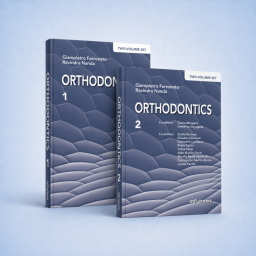
This volume is the passionate brainchild of many hands, featuring the work of members of several notable orthodontics schools, including Milan, Chieti, L’Aquila, Madrid, Naples, and Messina. The content of this book is based on years of experience and research on the part of professionals from the 30-year-old Orthodontic School of Milan. Every effort is made to ensure the development of the fundamental principle on which this school is based – concentrating on a holistic approach to patient care rather than relying on the mechanistic vision of most orthodontic philosophies.
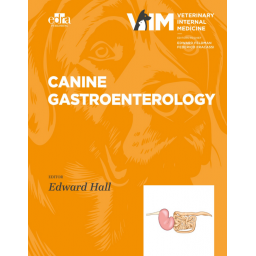
The book is divided into six sections, starting with the diagnostic approach to specific clinical presentations that may or may not be due to GI disease, with each chapter including an algorithmic pathway. A section on diagnostic methods is followed by sections about the management of GI diseases and non-specific and specific drug treatments. The fifth section covers diffuse inflammatory, infectious and neoplastic diseases of the GI tract. Specific diseases of each area of the tract from esophagus to large intestine are found in the final section.