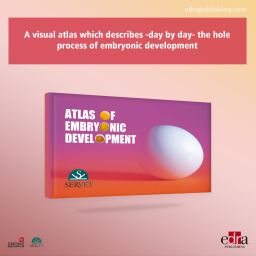
Atlas of Embryonic...
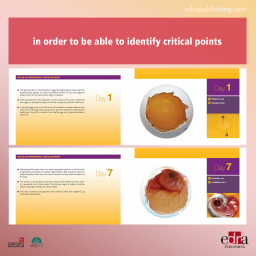
A visual atlas which describes –day by day– the hole process of embryonic development in order to be able to identify critical points in this process so a final and correct diagnosis can be established.
Active filters
A visual atlas which describes –day by day– the hole process of embryonic development in order to be able to identify critical points in this process so a final and correct diagnosis can be established.
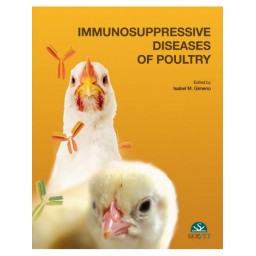
The goal of this work is to present the reader with the most common diseases that can produce immunosuppression in poultry, provide guidance for the diagnosis of immunosuppressive diseases, and examine the challenges that a diagnostician may face in confirming a diagnosis of immunosuppression. The book will feature an extensive collection of color photographs depicting gross and microscopic images.
Grafting materials must be safe, biocompatible and able to guarantee lasting results. Among the fundamental features of the ideal material is the ability to promote bone regeneration. The autologous tooth is a very promising candidate because it allows osteoinduction and its maintenance after the treatment. After examining the current scientific evidence and studies carried out at the Politecnico di Milano (Milan, Italy), The tooth as a graft provides an overview of all the aspects of bone regeneration and the various devices available on the market are presented and compared, their use explained step-by-step, from cleaning the tooth to the grinding, to the treatment of the material before grafting.
The second edition of this educational atlas on cats expands on its initial goal of helping veterinary surgeons communicate with owners by adding to the content of the first edition with 16 new sheets. Needless to say that the previous topics have been revised and updated with the latest developments in each area.
This is not the ordinary academic text to have in your library. It’s the result of the commitment of the Author, a practicing clinician who has focused his career on practical solutions to treat thousands of cases.
Although nasal cytology is still a little used diagnostic approach, it has often proved to be decisive: it makes it possible to distinguish between different forms of rhinopathy – inflammatory from infectious, allergic from non-allergic vasomotor, and bacterial from viral and fungal forms, as well as to diagnose the presence, in the same patient, of various “overlapping” forms. It is also important to consider other important aspects that make cytology a practical diagnostic method, accessible to all rhinoallergology services: the simplicity and low invasiveness of the technique. This book fills a gap given that, to date, there have been no textbooks or atlases dealing with this specific topic.