Pharmaceutical...
The world of health is undergoing a significant evolution. There is a tangible sense of urgency and great expectation that affects everyone: patients, healthcare organizations, doctors and companies.
Active filters
The world of health is undergoing a significant evolution. There is a tangible sense of urgency and great expectation that affects everyone: patients, healthcare organizations, doctors and companies.
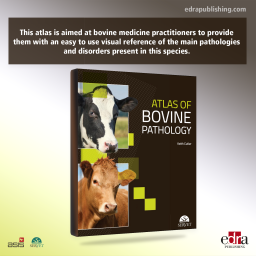
This atlas is aimed at bovine medicine practitioners to provide them with an easy to use visual reference of the main pathologies and disorders present in this species. A wide range of the most common diseases and disorders of cattle are illustrated, grouped by organic system and anatomic location, along with a brief description of the aetiology and pathology of each. The atlas includes the main disorders of cattle including congenital malformations, skin disorders, gastrointestinal, cardiovascular and respiratory conditions and diseases affecting the locomotor system, the nervous system including the sensory organs and the reproductive apparatus of males and females including the mammary gland.
This guide compiles practical information to aid veterinary clinicians in managing cancer patients, and covers aspects related to diagnosis, prognosis, and treatment, as well as pain management and communication with owners. It has been developed by leading specialists in oncology who approach the subject from a practical perspective, and includes many images, tables, and diagrams that facilitate understanding of its content and make it an essential volume on the bookshelves of any veterinary clinic.
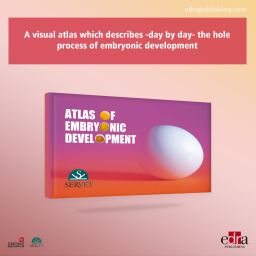
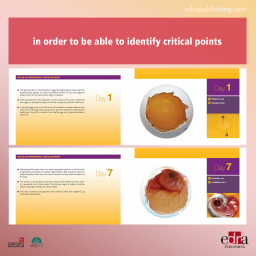
A visual atlas which describes –day by day– the hole process of embryonic development in order to be able to identify critical points in this process so a final and correct diagnosis can be established.
The centrality of nutrition in the state of health of pets has emerged only in the recent years, both to prolong their life expectancy and to prevent the onset of serious diseases such as obesity, diabetes mellitus or liver lipidosis. The goal of this book is that each veterinarian can clearly answer the questions that are most frequently asked by the owners: Which type of food to choose? How to navigate between the different products on the market? The text also provides real recipes to be proposed in synergy with the nutritional handbooks of various food manufacturers, to consciously choose and be able to compare the nutritional characteristics of different products on the market.
The second edition of this educational atlas on cats expands on its initial goal of helping veterinary surgeons communicate with owners by adding to the content of the first edition with 16 new sheets. Needless to say that the previous topics have been revised and updated with the latest developments in each area.