Atlas of Embryonic...
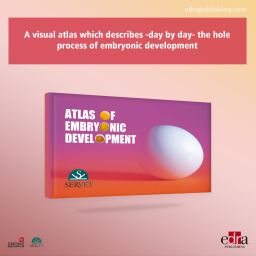
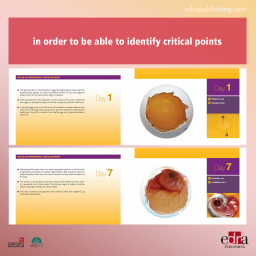
A visual atlas which describes –day by day– the hole process of embryonic development in order to be able to identify critical points in this process so a final and correct diagnosis can be established.
Active filters
A visual atlas which describes –day by day– the hole process of embryonic development in order to be able to identify critical points in this process so a final and correct diagnosis can be established.
The goal of this work is to present the reader with the most common diseases that can produce immunosuppression in poultry, provide guidance for the diagnosis of immunosuppressive diseases, and examine the challenges that a diagnostician may face in confirming a diagnosis of immunosuppression. The book will feature an extensive collection of color photographs depicting gross and microscopic images.
The extraction of impacted dental elements is often referred to by maxillofacial surgeons. However, it can be handled as routinely as any other type of extraction. Piezoelectric surgery of impacted teeth, which involves reproducible procedures using a step-by-step approach in all types of cases, also allows dentists who approach the extraction of impacted elements less frequently to carefully prepare for the procedure and perform it, thereby minimizing possible post-surgical issues for the patient, such as biological risks. Using the most innovative techniques, including the application of ultrasound in oral surgery and piezoelectric surgery, the author provides an indispensable tool to train and update dentists who intend to perform all types of extractions.
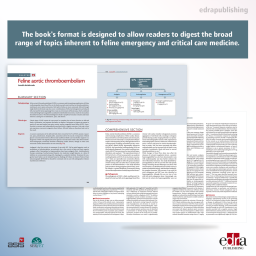
Successfully managing emergency patients and those with critical illness requires knowledge and skills often not adequately covered in veterinary and veterinary technician training programs. The Authors have created a comprehensive resource to use to grasp the issues and scope of problems inevitably encountered in clinical practice. The book's format is designed to allow readers to digest the broad range of topics inherent to feline emergency and critical care medicine.
Diseases of the liver and pancreas can cause a degree of despair in veterinary practitioners: so much about the causes and treatments of these diseases is poorly understood, and too many cases remain idiopathic. This book guides both first and second opinion practitioners through clinical assessments and workups, preventing oversight of potential underlying causes. Subsequent sections meticulously delve into pancreatic and liver diseases, encompassing clinical pathology, imaging, biopsy acquisition, cytology, and histology, all expertly elucidated by specialists.
A new application method and a different clinical reasoning compared to other types of taping and bandaging are the basis of the NeuroMuscular decompressive and compressive taping technique. To illustrate this innovative rehabilitation treatment, this book aims to answer these fundamental questions: When is NeuroMuscular Taping applied? How is it applied? What clinical advantages does it offer?
The book shows the modes of application and benefits of NeuroMuscular Taping in post-surgical and post-traumatic drainage of edemas and hematomas, as well as in the treatment of scars.