Atlas of Embryonic...
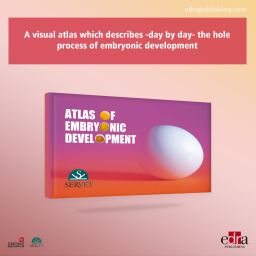
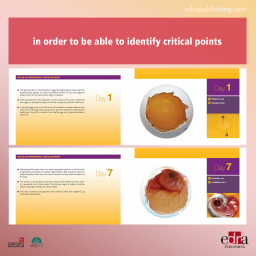
A visual atlas which describes –day by day– the hole process of embryonic development in order to be able to identify critical points in this process so a final and correct diagnosis can be established.
Active filters
A visual atlas which describes –day by day– the hole process of embryonic development in order to be able to identify critical points in this process so a final and correct diagnosis can be established.
The extraction of impacted dental elements is often referred to by maxillofacial surgeons. However, it can be handled as routinely as any other type of extraction. Piezoelectric surgery of impacted teeth, which involves reproducible procedures using a step-by-step approach in all types of cases, also allows dentists who approach the extraction of impacted elements less frequently to carefully prepare for the procedure and perform it, thereby minimizing possible post-surgical issues for the patient, such as biological risks. Using the most innovative techniques, including the application of ultrasound in oral surgery and piezoelectric surgery, the author provides an indispensable tool to train and update dentists who intend to perform all types of extractions.
This volume clarifies the importance of training techniques and methods for those looking for a notable hypertrophic response within a body recomposition process.
This volume is the passionate brainchild of many hands, featuring the work of members of several notable orthodontics schools, including Milan, Chieti, L’Aquila, Madrid, Naples, and Messina. The content of this book is based on years of experience and research on the part of professionals from the 30-year-old Orthodontic School of Milan. Every effort is made to ensure the development of the fundamental principle on which this school is based – concentrating on a holistic approach to patient care rather than relying on the mechanistic vision of most orthodontic philosophies.
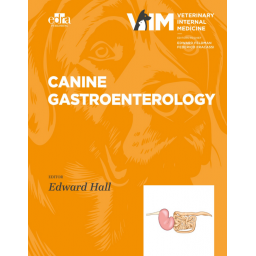
The book is divided into six sections, starting with the diagnostic approach to specific clinical presentations that may or may not be due to GI disease, with each chapter including an algorithmic pathway. A section on diagnostic methods is followed by sections about the management of GI diseases and non-specific and specific drug treatments. The fifth section covers diffuse inflammatory, infectious and neoplastic diseases of the GI tract. Specific diseases of each area of the tract from esophagus to large intestine are found in the final section.
Pre-order NOW and get 25% OFF!! - Available for shipping from June 2026