
0
CART
0 item
Categories
-
Veterinary Books
-
Companion Animals
- Anaesthesia/Analgesia
- Anatomy
- Cardiology
- Cytology/Laboratorial
- Dermatology
- Diagnostic imaging
- Emergency
- Endocrinology
- Endocrinology/ Reproduction
- Equine
- Ethology
- Infectious diseases and immunology
- Nephrology/Urology
- Nutrition
- Oncology
- Ophthalmology
- Parasites
- Pet owner educational atlas
- Rehabilitation
- Senior care
- Surgery
- Surgery and traumatology/Orthopaedics
- Veterinary Dentistry
- Livestock
- Management
-
Companion Animals
- Dentistry Books
- Medicine Books
- CE Webinar
- CE Webinar
- French books
- E-books
Categories
-
Veterinary Books
-
Companion Animals
- Anaesthesia/Analgesia
- Anatomy
- Cardiology
- Cytology/Laboratorial
- Dermatology
- Diagnostic imaging
- Emergency
- Endocrinology
- Endocrinology/ Reproduction
- Equine
- Ethology
- Infectious diseases and immunology
- Nephrology/Urology
- Nutrition
- Oncology
- Ophthalmology
- Parasites
- Pet owner educational atlas
- Rehabilitation
- Senior care
- Surgery
- Surgery and traumatology/Orthopaedics
- Veterinary Dentistry
- Livestock
- Management
-
Companion Animals
- Dentistry Books
- Medicine Books
- CE Webinar
- CE Webinar
- French books
- E-books

Active filters


Bone surgery in small...
Price
CAD 120.75
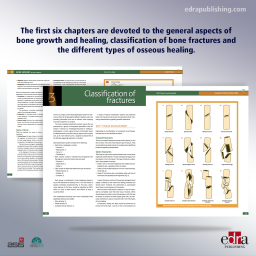
In this book, the most common fractures in the canine species and the way to solve them by osteosynthesis are described. The first six chapters are devoted to the general aspects of bone growth and healing, the following chapters set out the various alternatives to address fractures and the different applicable osteosynthesis systems.
In summary, this book, thanks to its structure, the tremendous amount of graphic material that it provides, the comprehensible language, and its eminently practical focus, is of great use to both veterinary students as well as professional veterinarians specialized in traumatology, which they will surely use to streamline their decision making in their daily traumatology practice.
Diagnosis of Major...
Price
CAD 116.55
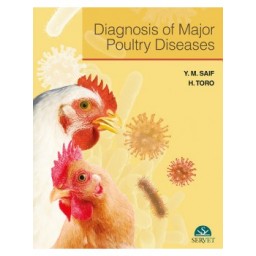
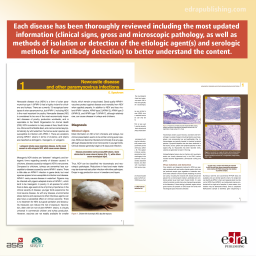
Handy and rigorous book focused on the diagnosis of the main diseases affecting poultry through a practical and visual approach of the topic, and written by prestigious experts with a wide experience in this field. Each disease has been thoroughly reviewed including the most updated information (clinical signs, gross and microscopic pathology, as well as methods of isolation or detection of the etiologic agent(s) and serologic methods for antibody detection) to better understand the content. Numerous graphic resources (images, graphs, tables, flowcharts) have been included to complement the information provided and make the contents understandable and accessible to readers.
3D Joint Anatomy in...
Price
CAD 132.30
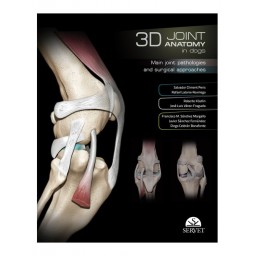
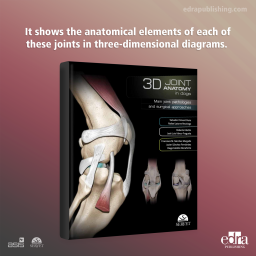
A visual guide with a strongly educational approach covering the main joints in the limbs of the dog. It shows the anatomical elements of each of these joints in three-dimensional diagrams. The views chosen for each case have been selected for a practical purpose, showing the position of the elements involved in the most commonly used surgical approaches. It also describes the key orthopaedic conditions affecting each joint and the most commonly used surgical approaches. It contains a large number of images and illustrations, and a selection of views presented in digital video format.
Immunosuppressive...
Price
CAD 120.75
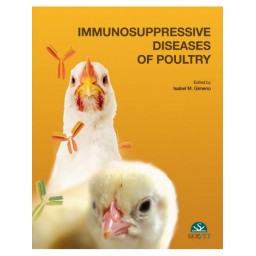
The goal of this work is to present the reader with the most common diseases that can produce immunosuppression in poultry, provide guidance for the diagnosis of immunosuppressive diseases, and examine the challenges that a diagnostician may face in confirming a diagnosis of immunosuppression. The book will feature an extensive collection of color photographs depicting gross and microscopic images.
Orthodontics
Price
CAD 260.40
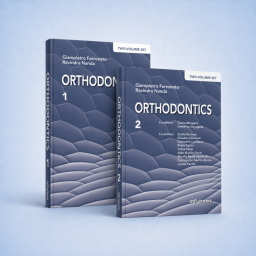
This volume is the passionate brainchild of many hands, featuring the work of members of several notable orthodontics schools, including Milan, Chieti, L’Aquila, Madrid, Naples, and Messina. The content of this book is based on years of experience and research on the part of professionals from the 30-year-old Orthodontic School of Milan. Every effort is made to ensure the development of the fundamental principle on which this school is based – concentrating on a holistic approach to patient care rather than relying on the mechanistic vision of most orthodontic philosophies.